Recognizing Fake Delivery Notifications and Payment Requests
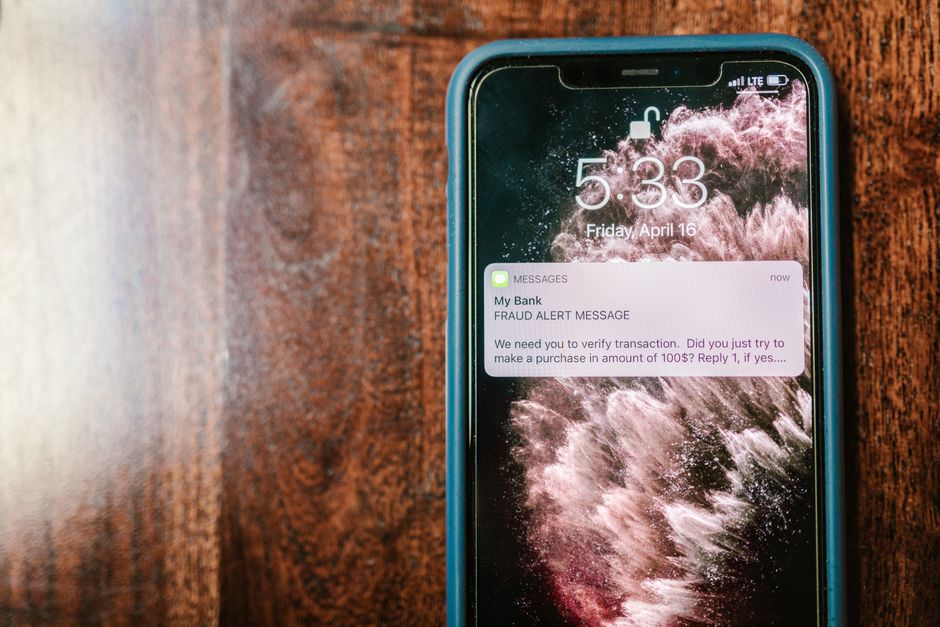
Fake delivery notifications and payment requests are a prevalent form of social engineering that exploits the familiarity of courier services and the anticipation of receiving a package. These messages typically arrive via SMS or email and claim that a parcel is being held and requires a small fee to be released. The messages often mimic the branding, tone, and layout of legitimate logistics companies, creating a veneer of authenticity that can be difficult to distinguish from genuine communications. Understanding the structure and tactics of these fraudulent messages is a key step in recognizing them before any personal or financial information is compromised.
The core mechanism of these scams relies on urgency and low-value transactions. By requesting a modest sum, fraudsters aim to lower the recipient’s guard and encourage quick action without careful scrutiny. The payment link embedded in the message often leads to a counterfeit website designed to harvest card details or install malicious software. Because the fee is small, victims may be more willing to comply, and the cumulative effect across many targets can be substantial for the perpetrators. Recognizing the patterns and inconsistencies in these messages is essential for both individual and organizational awareness.
This article examines the common characteristics of fake delivery notifications, the methods used to impersonate courier services, and practical approaches for verifying message authenticity. It also outlines how to respond when a suspicious message is received, emphasizing verification and reporting rather than immediate action. The focus is on building a systematic understanding of the fraud process so that recipients can evaluate such messages critically and reduce the likelihood of falling victim.
Common Characteristics of Fraudulent Delivery Messages
Fraudulent delivery notifications share several recurring features that can serve as warning signs when examined closely. One of the most consistent elements is a sense of urgency: the message may state that the parcel will be returned to the sender or incur additional storage fees if action is not taken within a short window. This pressure to act quickly is designed to bypass rational scrutiny. Another common characteristic is the presence of a link or button that directs the recipient to a payment page. The link often uses a domain that resembles a legitimate courier service but contains subtle misspellings or extra characters, such as a hyphen or a different top-level domain.
In addition to urgency and suspicious links, these messages frequently contain generic greetings rather than the recipient’s actual name. Legitimate courier services typically have access to the recipient’s details and may personalize their communications. A message that begins with “Dear Customer” or omits any personal identifier can be a red flag. The sender’s email address or phone number may also be inconsistent with the official channels used by the courier. For SMS messages, the sender ID may be a random string of numbers or an email address, rather than a short code or verified sender ID. Examining these details carefully can reveal inconsistencies that point to fraud.
Another hallmark is the request for payment through unconventional means. While legitimate couriers may require payment for customs duties or redelivery, they typically offer official payment channels and provide detailed invoices. Fraudulent messages often ask for payment via a link to a third-party site that lacks the courier’s branding or offers cryptocurrency or prepaid card options. The amount requested is usually small but not negligible, and the payment page may ask for more information than necessary, such as full card details, CVV, and billing address. Such overcollection of data is a strong indicator of a phishing attempt.
How Fraudsters Impersonate Courier Services
Impersonation techniques have become increasingly sophisticated, with fraudsters using a combination of visual and textual cues to mimic legitimate courier communications. They may copy official logos, color schemes, and email templates from the courier’s website. In email messages, the display name might show the courier’s name, while the actual sender address belongs to a different domain. This discrepancy is often hidden on mobile devices, where only the display name is visible. Similarly, SMS messages can spoof sender IDs, making them appear as if they originate from a trusted short code. These tactics exploit the recipient’s familiarity with the brand and the casual way in which people often check messages on their phones.
Fraudsters also use language that mirrors the terminology of the logistics industry. They may reference tracking numbers, delivery attempts, or customs clearance procedures to sound authentic. The message might include a fake tracking number that looks plausible, and the link may lead to a website that displays a mock tracking page before redirecting to a payment form. This layered approach creates a sense of legitimacy and encourages the recipient to proceed. Some campaigns even use personalized information obtained from data breaches, such as the recipient’s name and partial address, to further enhance credibility. However, even with such details, inconsistencies in the message structure or the payment process can still be detected.
The channels used for impersonation vary, but SMS and email remain the most common. SMS-based scams, often called smishing, take advantage of the immediate nature of text messages and the difficulty of verifying sender identity. Email-based scams can reach a wider audience and may include attachments or links that lead to credential-harvesting sites. In both cases, the goal is to direct the recipient to a controlled environment where they can be tricked into providing payment information or downloading malware. Understanding these methods helps in recognizing the signs of impersonation and in adopting a cautious approach to unsolicited delivery notifications.
Verification Steps Before Taking Action
When a delivery notification or payment request arrives, the safest approach is to verify its authenticity independently before clicking any links or providing information. The first step is to avoid using the contact details or links provided in the message. Instead, navigate to the courier’s official website directly by typing the known URL into a browser or by using a saved bookmark. From there, locate the customer service section and use the official phone number or contact form to inquire about the package. This independent verification ensures that the communication channel is legitimate and not controlled by fraudsters.
If the message includes a tracking number, it can be cross-checked on the courier’s official tracking page. Legitimate tracking numbers should yield consistent information about the package’s status. If the tracking number is not recognized or the status does not match the message’s claims, this is a strong indication of fraud. Additionally, examine the sender’s email address or phone number closely. Official courier communications often come from a domain that matches the company’s name, and SMS messages may originate from a short code. Discrepancies such as a public email domain (e.g., @gmail.com) or an international number should raise suspicion.
Another verification step is to assess the payment request itself. Legitimate couriers typically provide a detailed invoice or receipt that outlines the charges and offers multiple payment options through secure channels. If the message directs to a payment page that lacks proper security indicators (such as HTTPS) or requests excessive personal information, it is advisable to refrain from proceeding. In case of doubt, contacting the courier directly through a verified channel is the most reliable way to confirm whether a payment is genuinely required. This process of independent verification may take a few extra minutes but can prevent significant financial and data loss.
Responding to Suspicious Messages
Upon identifying a message as likely fraudulent, the appropriate response is to avoid engaging with it. Do not click on any links, download attachments, or reply to the message. Replying can confirm to the sender that the phone number or email address is active, potentially leading to more targeted attacks. Instead, delete the message after noting any relevant details for reporting. It is also prudent to block the sender if the messaging platform allows it. For SMS messages, forwarding the message to the spam reporting number (such as 7726 in the United States) can help mobile carriers identify and block similar campaigns. For emails, marking the message as spam or phishing in the email client can improve filtering for future messages.
Reporting the incident to the relevant authorities and organizations can contribute to broader efforts against fraud. In the United States, suspicious messages can be reported to the Federal Trade Commission (FTC) through ReportFraud.ftc.gov and to the Internet Crime Complaint Center (IC3). Additionally, notifying the legitimate courier company about the impersonation attempt can help them warn other customers and take down fraudulent websites. If any personal or financial information was inadvertently shared, contact the affected financial institution immediately to monitor for unauthorized activity and consider placing a fraud alert on credit files. Keeping records of the fraudulent message, including screenshots and sender details, can be useful for reporting and for future reference.
Organizations can also play a role in mitigating the impact of these scams by raising awareness among employees and implementing email and SMS filtering policies. Training sessions that simulate phishing attempts can help individuals recognize the signs and respond appropriately. SecurePath emphasizes that a culture of verification and skepticism toward unsolicited payment requests can significantly reduce the risk of successful fraud. By sharing experiences and reporting incidents, both individuals and organizations contribute to a collective defense against these evolving threats.
Key Takeaways for Awareness and Prevention
Recognizing fake delivery notifications and payment requests requires attention to detail and a consistent approach to verification. The most reliable strategy is to treat all unsolicited messages with caution, especially those that demand immediate action or payment. By independently verifying the message through official channels, recipients can determine its legitimacy without exposing themselves to risk. Understanding the common characteristics—such as urgency, generic greetings, suspicious links, and unconventional payment methods—enables quicker identification of fraudulent attempts.
Prevention also involves adopting good digital hygiene practices. Use strong, unique passwords for online accounts and enable multi-factor authentication where available. Keep devices and applications updated to protect against malware that may be delivered through malicious links. Be cautious about sharing personal information online, as data breaches can provide fraudsters with details that make their messages more convincing. Regularly reviewing bank and credit card statements for unauthorized charges can help detect fraud early. These practices, combined with a skeptical mindset toward unsolicited communications, form a robust defense against delivery notification scams.
Finally, staying informed about current scam trends is valuable. Fraudsters continuously adapt their tactics, so awareness of new methods can help in recognizing emerging threats. Resources from consumer protection agencies, industry reports, and awareness campaigns provide updates on prevalent schemes. SecurePath encourages a proactive stance: when in doubt, verify before acting. By following a systematic verification process and reporting suspicious messages, individuals can protect themselves and contribute to a safer digital environment for everyone.